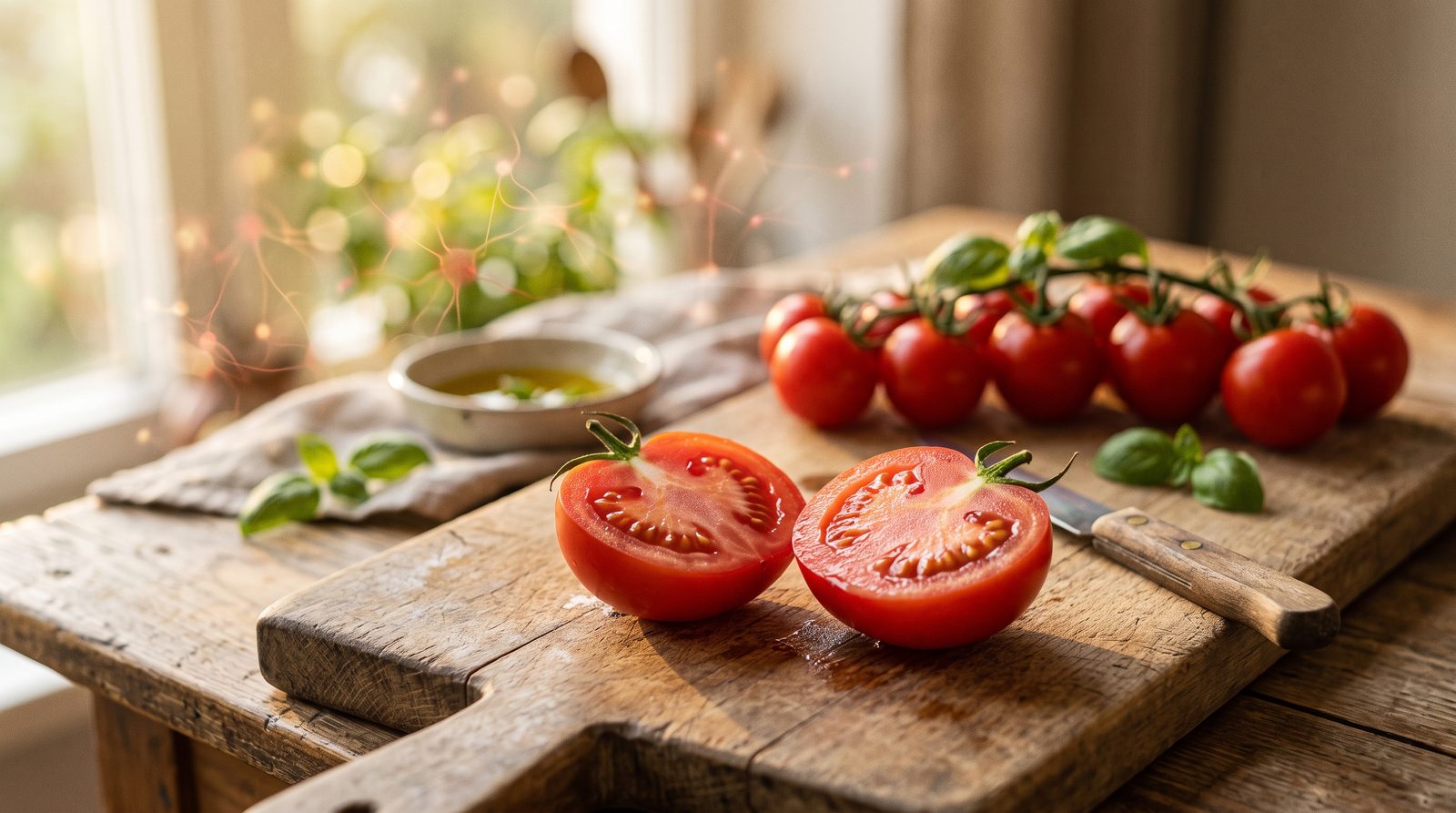
The headline moved fast: scientists fed people tomatoes for three months, and their brain scans came back different. That's the kind of claim that usually thins out with every share — a modest finding stretched into a miracle by the time it reaches a phone screen.
So we found the actual paper.
It's real. It's careful. It says less than the headline promised and more than most readers will ever bother to check. Here's what the researchers actually did, what they actually found — and, because we don't separate biology from the God who wrote it, who actually built the molecule doing the work.
The Study Behind the Headline
The trial is called MITOS, run out of the University of Barcelona's nutrition institute (INSA-UB) and Hospital Clínic de Barcelona, published in the journal Antioxidants in May 2026. Forty-seven healthy adults between 40 and 55 enrolled. Forty-two finished. None had diabetes, heart disease, or any diagnosed condition — this was a study of ordinary, healthy brains, not sick ones.
Every participant went through both arms of the experiment, three months apart, with a month of normal eating between the two to let their bodies reset. In one stretch, they ate concentrated tomato paste daily — 0.5 grams per kilogram of body weight, which works out to roughly two and a half tablespoons for an average adult, stirred into meals they were already eating. Tomato and salt. Nothing else. In the other stretch, they avoided tomatoes completely, along with watermelon, papaya, grapefruit, and guava — every common source of the one compound researchers were tracking.
That compound is lycopene. It's the pigment that turns a tomato red, and by volume, tomatoes are the largest source of it in the human diet.
One detail worth flagging early: nearly two-thirds of the participants were women, and 93 percent held a college degree or higher. That's not a flaw the researchers hid — they disclosed it themselves, because it limits how far the results travel. A trial of well-educated, healthy adults in Barcelona doesn't automatically predict what happens in every kitchen. Keep that in your back pocket. We'll return to it.
What Lycopene Does Once You Swallow It
Most of what you eat never reaches your brain directly. A filter called the blood-brain barrier keeps it out, for good reason. Lycopene is one of the few dietary compounds documented to cross that barrier.
Once inside, researchers point to several pathways working together. Lycopene appears to quiet specific inflammatory signals — NF-κB, JNK, and a few others with equally unfriendly names — while switching on the body's own antioxidant defenses through a pathway called Nrf2. Chronic inflammation and oxidative stress are both known to suppress BDNF, a protein your brain uses to grow and maintain connections between neurons. Calm the inflammation, the theory goes, and BDNF gets room to work.
Tomatoes don't hand you lycopene alone. The paste in this study also carried phytoene, beta-carotene, vitamins A, C, and E, and a list of polyphenols — quercetin, caffeic acid, chlorogenic acid among them. The researchers were careful to say the benefit likely comes from all of it acting together, not one isolated molecule doing the job by itself. That detail matters more than it sounds like it should.
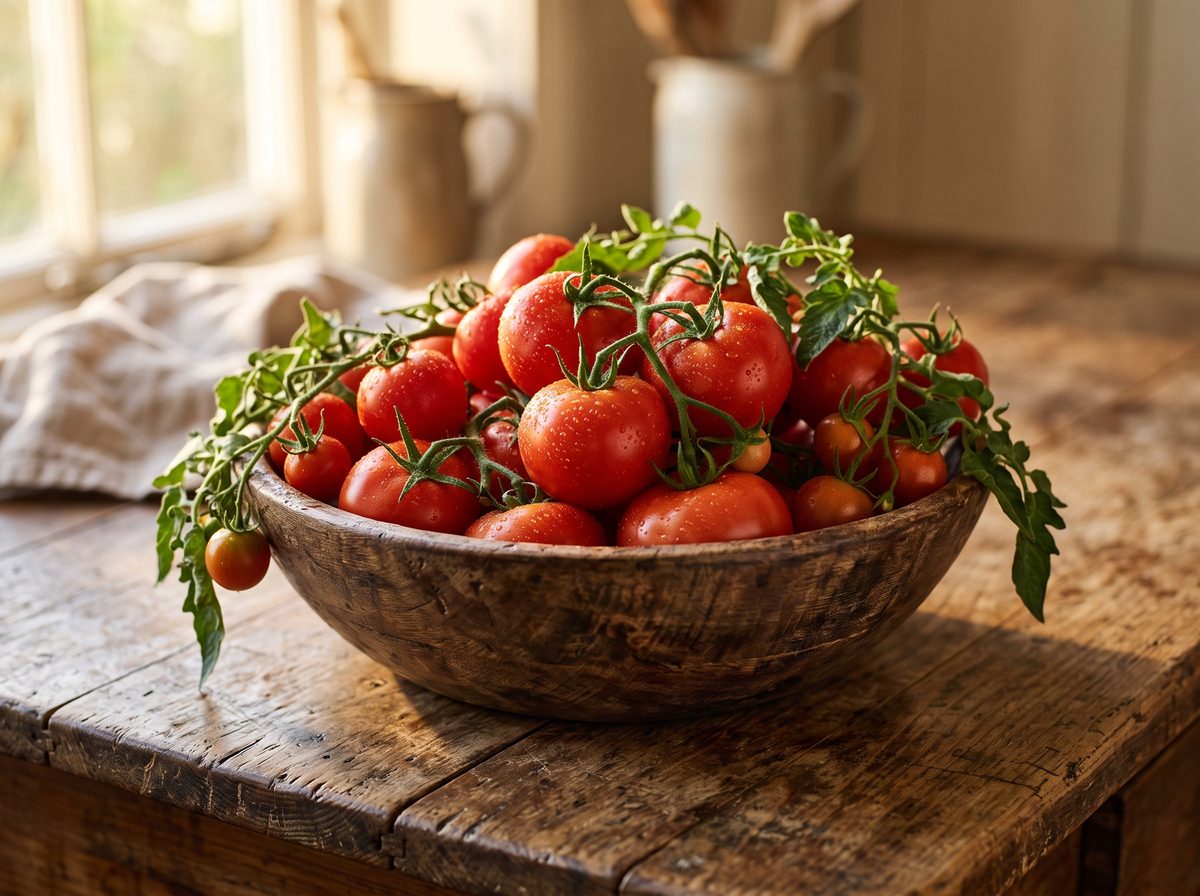
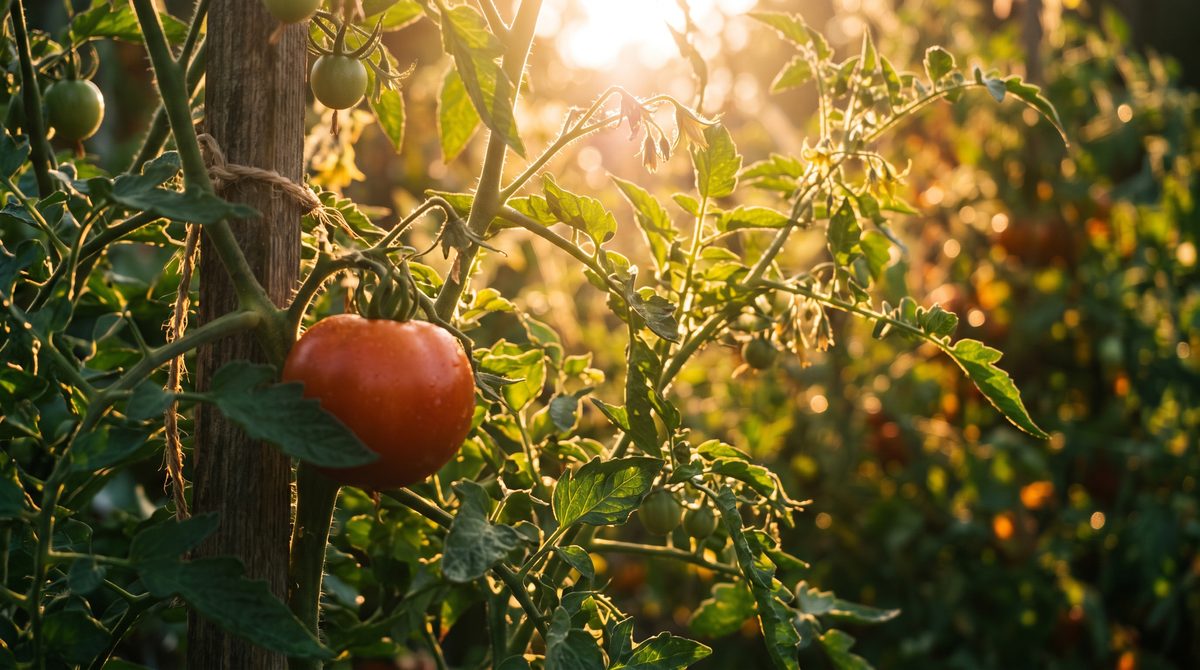
Real tomato, cooked down, nothing added but salt — that's the entire intervention.
What the Numbers Actually Showed
Results After Three Months of Daily Tomato Paste
Attention sharpened. Processing got faster. Participants got measurably better at matching a stranger's face to their name — a specific, testable kind of memory that tends to fade first with age. And it scaled: every rise in a person's blood lycopene tracked with a bigger jump in concentration and processing speed. The more of the compound in their blood, the more their scores moved. That pattern is hard to explain away as a fluke.
One thing didn't move. Executive function — the skill involved in planning, switching strategies, holding several rules in your head at once — showed no change either direction. Tomatoes sharpened attention and memory. They didn't make anyone a better strategist.
The Brain Scans
Fourteen of the forty-two, a small slice of an already modest group, went through functional MRI scans before and after each three-month period. Scanned at rest, their brains showed reduced connectivity in two specific networks after the tomato months — the right frontoparietal network and the auditory network, both centered on the same strip of the brain that handles sensory and motor processing.
Reduced connectivity sounds like loss. The researchers read it the opposite way: as pruning. A brain running efficiently doesn't fire every circuit for every task. It trims connections it doesn't need and saves capacity for the ones that matter. The participants whose networks pruned the most were also the ones whose face-name memory improved the most. The correlation was real. The sample was small enough that no one should call it settled.
The blood work backed up the scan work. As plasma lycopene climbed, connectivity in the dorsal attention network rose right alongside it. As lycopene climbed, connectivity in the right frontoparietal network fell — the same drop tied to better memory scores. Two separate measurements, drawn from two separate teams reading two separate machines, pointing at the same molecule. That's the kind of agreement that makes a hypothesis worth chasing further, even from fourteen brains.
What This Study Doesn't Prove
Read this before you tell someone tomatoes cure memory loss. This was a small trial — 42 people, no placebo, no way to blind anyone to whether they were eating tomato paste. The fMRI results came from just 14 participants. The BDNF increase sat right at the edge of statistical significance, and the researchers themselves called it preliminary. Nobody tested people with dementia or diagnosed cognitive decline. This measured healthy, well-educated adults over three months — not a cure, not a guarantee, and not yet repeated by anyone else.
The scientists who ran this trial were honest about the gaps. They couldn't rule out that people who knew they were eating tomatoes tried harder on the cognitive tests. They couldn't fully separate the effect of adding lycopene from the effect of restricting it during the control period. Good science says what it found and stops there. This study found something real and specific — not a miracle, not a headline, a measured shift in attention and memory that lines up with a plausible biological mechanism. That's worth taking seriously without taking it one inch further than the data goes.
Someone Wrote the Formula First
Here's what the paper can't explain, because it isn't a biology question.
Lycopene didn't design itself to slip past the blood-brain barrier. It didn't decide, on its own, to calm the exact inflammatory pathways linked to memory, or to travel through a fruit humans have been eating for thousands of years before anyone owned an MRI machine to check. A molecule with that kind of precision — that specific, that timed, that suited to the exact biology of the brain it enters — was not an accident. It was written.
"For by him all things were created, in heaven and on earth, visible and invisible… all things were created through him and for him. And he is before all things, and in him all things hold together."
Colossians 1:16–17Every atom in that tomato paste — the lycopene, the phytoene, the polyphenols the researchers listed by name — passed through the hands of Jesus before it ever passed through anyone's blood-brain barrier. Scripture doesn't say God made the world and stepped back to watch. It says the world holds together in Him, right now, down to the pigment in a piece of fruit on a counter in Barcelona or Marietta. Researchers didn't invent what lycopene does. They found it. Somebody had to put it there first.
Through Him. For Him. Not through Barcelona's lab equipment, and not for a headline. The scientists supplied the method — the crossover design, the fMRI, the blood draws. God supplied the tomato, and He supplied it a very long time before anyone had a machine that could measure what it was doing to a hippocampus. That's the order the Bible has always insisted on: "All things were made through him, and without him was not any thing made that was made" (John 1:3). The lab confirmed a mechanism. It did not create one.
Remember the education gap we flagged earlier — mostly women, mostly college-educated, all from one region of Spain? That's a real scientific limitation. It is not a limitation on the Designer. Jesus didn't tune lycopene's chemistry to work only for people with a graduate degree. The same molecule sits inside every tomato grown anywhere on earth, available to whoever eats it, which is exactly what you'd expect from a Creator who "made from one man every nation of mankind to live on all the face of the earth" (Acts 17:26). Good research has boundaries. Good design doesn't need them.
We said something close to this once about blackberries — that the medicine was built into the meal before anyone knew to look for it. It's true again here. It will keep being true every time a lab finds one more thing a fruit was quietly doing all along, because Genesis said it first: "Behold, I have given you every plant yielding seed... you shall have them for food" (Genesis 1:29). Barcelona just ran the numbers.
How to Actually Get This Benefit
Eat the real thing, not a pill. The study used whole tomato paste — tomato and salt, nothing isolated, nothing synthetic. Researchers were explicit that the effect likely comes from lycopene working alongside the other compounds in the fruit, not from lycopene alone. A supplement skips the rest of the package God built around it.
Cook them. Heat breaks down the plant cell walls holding lycopene in place and makes it easier for your body to absorb it — which is why tomato paste, sauce, and cooked dishes deliver more usable lycopene than a raw tomato does.
Add a little fat. Lycopene is fat-soluble. A drizzle of olive oil in your sauce isn't a garnish. It's what helps your body actually take the compound in.
Aim for consistency, not quantity. The study ran three full months at a modest daily amount, not a one-time binge. Whatever benefit is real here builds slowly, the way most things worth having do.
Canned counts. Crushed tomatoes, sauce, and paste from a can are already cooked and concentrated — you're not losing ground by skipping the fresh, raw version. Watch the sodium if you're managing blood pressure, and choose a plain version without added sugar where you can.
Blackberries are the anchor crop at Steward Farms, but there are tomato plants growing among the rows too — nowhere near the scale of the study, just enough for our own table. Same hands shaped both. Every study like this one is just science catching up to something Genesis already said.
"He causes the grass to grow for the livestock and plants for man to cultivate, that he may bring forth food from the earth."
Psalm 104:14Steward Farms grows pesticide-free blackberries in Marietta, Georgia — follow us on Facebook for the next harvest and updates on our tissue culture work.
Sources
- López-Solís, R. et al. (2026). "Tomato Intake Improves Cognitive Performance and Modulates Functional Brain Networks in Healthy Adults: A Randomized Crossover Clinical Trial (MITOS)." Antioxidants, 15(5), 644. DOI: 10.3390/antiox15050644. Full text via PMC13203555.
- ClinicalTrials.gov registration NCT05891977 — MITOS study protocol, University of Barcelona / Hospital Clínic de Barcelona, conducted November 2023–December 2024.
- ScienceAlert — "Scientists Had People Eat Tomato Paste For 3 Months. Their Brain Scans Looked Different."