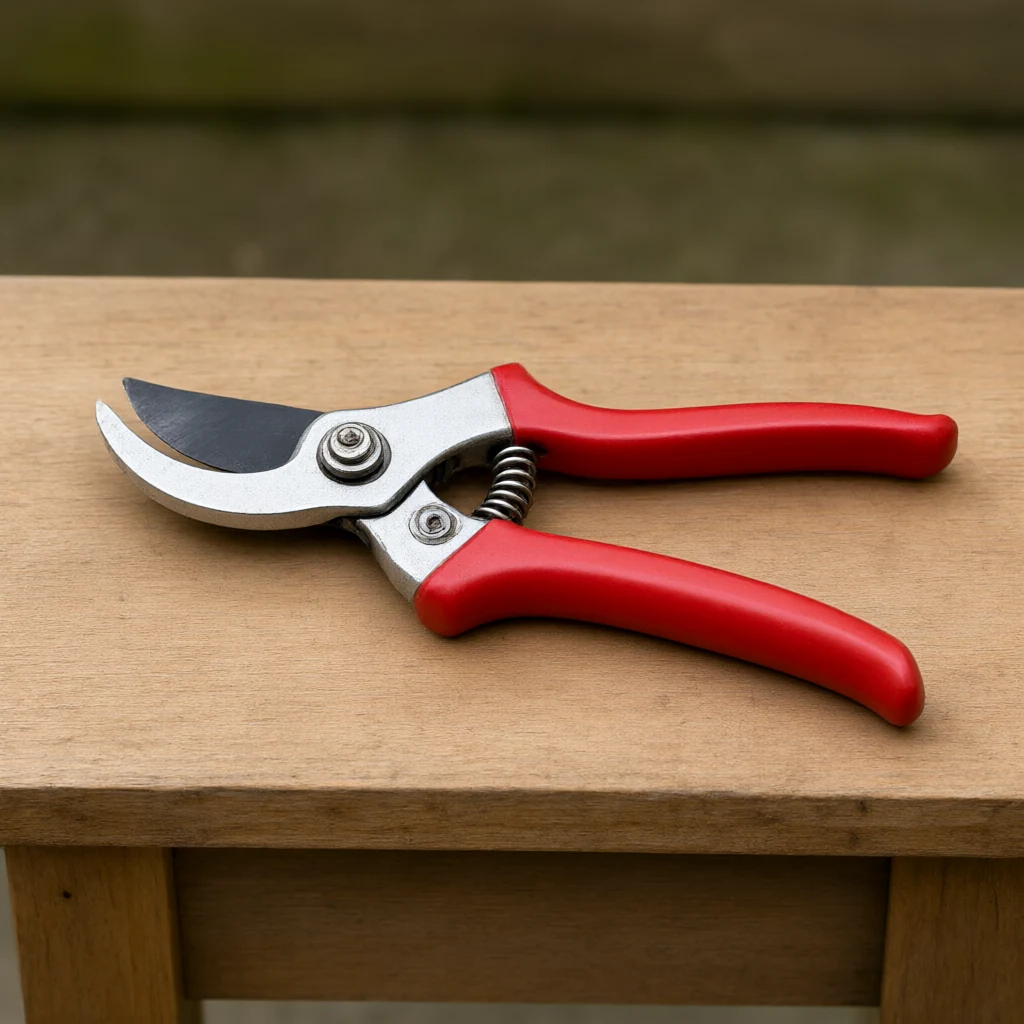
The first pruning decision is made before the shears close. Identify the cane. A new cane, a cane carrying a crop, and a cane that finished fruiting can occupy the same planting while calling for different decisions. Treat them as one untidy bush and useful growth can disappear along with the wood that needs removing.
Ouachita is an erect, thornless blackberry, and that habit can make the planting more approachable. It does not remove the need to understand how its canes grow and fruit. The roots persist, but individual canes move through a cycle. Pruning works best when the gardener can follow that cycle in the actual row.
This guide begins with identification, then separates the seasonal jobs. It is intended for an established or establishing garden planting, not as an instruction to shorten a tiny nursery plug at arrival. If a new plant has just reached your home, begin with receiving and acclimatization before applying instructions written for developed canes.
Read the cane’s history
A first-year cane is a primocane. A second-year cane is a floricane. Ouachita is grown as a floricane-fruiting variety, so suitable growth retained from one season can help carry a crop in the next. After fruiting, the spent cane has a different role in the management decision.
Clemson’s blackberry guide explains the distinction and why it matters to pruning. Read that cycle as a history rather than a color code. A gardener needs to know what the cane did, not simply whether it looks greener or browner than its neighbor on one afternoon.
Trace a cane from its origin through its branching. Look for evidence of completed fruiting and compare it with growth you recorded earlier. If the planting is unfamiliar, slow down. It can be better to identify one cane correctly than to make a fast series of cuts based on an assumption about the whole row.
Practice the decision without cutting
Choose a situation below. The exercise responds to the described cane history; it does not diagnose a plant from a photograph or determine that every cane matching one visual clue should be removed.
Try it as you read
Identify before cutting
Notice that “I cannot identify it” is an acceptable answer. Pausing is part of competent pruning. It preserves the chance to inspect further, compare with a dated photograph, or ask for help before a cut makes the decision permanent.
Once the history is clear, connect it to the season and the method being followed. The same planting can need spent wood removed, renewal growth retained, and developed canes trained. Those are related jobs, but they are not interchangeable instructions to shorten everything that looks long.
Separate three seasonal jobs
The first job is managing developing primocanes during their growing season. This may include tipping and training to influence branching and keep the planting manageable. The second job is identifying and removing spent fruiting wood after its useful crop cycle. The third is assessing retained growth during the dormant period and preparing the planting for the next season.
These jobs should not be reduced to one annual date for the entire country. Growth stage and local conditions matter. A gardener in Georgia may reach a management point at a different time from a gardener with a colder spring or a different length of growing season.
UGA’s home-garden guidance describes erect-blackberry management in its regional context. Use that context alongside local advice rather than turning a regional month or height into a rule for every plant size and location.
Understand what tipping is meant to accomplish
Tipping concerns the end of an actively developing cane. It is different from removing a whole spent cane at its base. The purpose and timing should be understood before the gardener treats any long piece of growth as an invitation to cut.
For developed erect blackberries, UGA describes early-summer tipping around 40–42 inches to encourage lateral shoots. That is an attributed regional method for suitable canes, not a direction to cut every plant down to that height on arrival. A small plug does not become ready for that treatment because the cultivar name on its label matches an established row.
Look at the actual growth and the management system in use. Keep notes on which canes were tipped and when. If lateral growth follows, the record connects the action with what happened rather than leaving the gardener to guess whether each branch grew before or after pruning.
Distinguish lateral work from whole-cane removal
A lateral is a side branch coming from a main cane. Shortening selected lateral growth is a different action from removing the main cane that supports it. Confusing the two can turn a manageable adjustment into the loss of much more growth than intended.
Before a cut, point out the main cane and the branch being considered. Follow both far enough to understand the connection. That sounds deliberate because it should be. Dense plants can hide crossings, and a hand reaching through the canopy may be holding a different piece of growth from the one the eye first selected.
Regional guides describe dormant lateral management within their wider pruning systems. Follow the complete method rather than borrowing one dimension from an isolated paragraph. Our Georgia growing article introduces the broader seasonal context, while this guide keeps attention on identifying the specific pruning job.
Remove spent fruiting wood with renewal growth in view
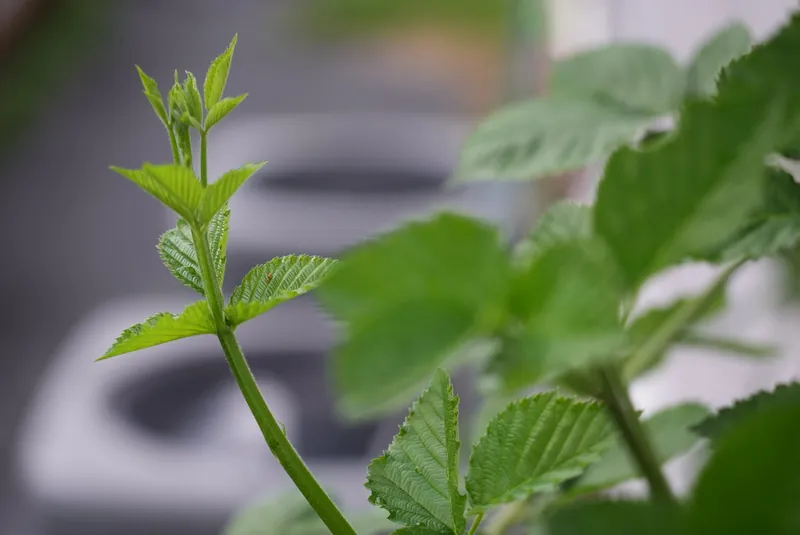
When a cane has finished its fruiting cycle and has been identified as spent wood, plan how its removal affects the neighboring growth. The objective includes keeping suitable renewal canes intact. A cut made correctly can still be followed by rough handling that damages what the gardener intended to save.
Open enough space to see the cane’s route and separate it from adjacent growth before pulling it through the planting. Work in a sequence that makes each next cane easier to inspect. Avoid treating the row as a bundle to be dragged apart after several cuts have been made without tracking which stems remain attached.
Read the removal timing in the Clemson guidance and match it with the plant’s completed crop history. If unusual damage or disease is suspected, seek an appropriate diagnosis rather than assuming ordinary spent-cane removal addresses every problem.
Support helps make pruning a visible job
Erect growth describes a habit, not a promise that supports are irrelevant. A managed support system can help organize canes and keep access available as plants develop. UGA notes support use in erect blackberry production, particularly where crop load makes cane management important.
For a home planting, begin with the tasks people need to perform. Can they inspect the crown, distinguish cane paths, reach fruit, and move along the row? A support chosen only for appearance may not solve those practical problems. Training should help reveal the structure the gardener needs to manage.
Use appropriate ties and avoid creating a new point of damage while securing growth. Keep an eye on the relationship between a growing cane and the place it is held. The goal is to guide the planting, not to force every cane into a position without regard to its flexibility or stage.
Avoid the cuts that erase the next question
Cutting every Ouachita cane to the ground during ordinary winter care ignores the difference between renewal growth and spent fruiting wood. Instructions for a primocane-cropping system should not be transferred to Ouachita merely because both articles discuss blackberries.
Another common mistake is pruning to make every plant look identical. Plants differ in establishment, cane development, and the conditions they experienced. A uniform-looking row does not establish that the retained growth is appropriate. The better comparison is between each action and the purpose of the management method.
Finally, do not use pruning as a substitute for understanding a site problem. A planting struggling with water, drainage, climate, or an unidentified disorder may need a different investigation. Removing visible growth can make the row look tidier without resolving the reason it struggled.
Keep a cane record that survives the season
A few dated photographs and short notes can make later pruning easier. Record which canes fruited, which were retained as renewal growth, and when major management actions occurred. Keep the system simple enough that it will actually be used.
An original household method might be a sketch of the row with a few reference positions, paired with photos from those positions. That does not need to identify every leaf. It needs to preserve enough history that a gardener returning months later can recognize the planting’s structure.
Our first-year care guide builds that observation habit before the row reaches mature production. The record can also help a grower or Extension agent understand the situation if a question arises. A useful photograph shows the whole plant and its context as well as any close detail that caused concern.
Tending what the Creator provides
The work of tending a garden has a place near the beginning of Scripture. Genesis 2:15 describes Adam’s responsibility to care for the garden. It does not give a blackberry-pruning method, but it does speak to the responsibility that comes with growing things.
At Steward Farms, we acknowledge Jesus as Creator, as taught in Colossians 1:15–17. That conviction encourages care rather than haste. Taking time to identify a cane before cutting it is a small, practical expression of stewardship: understand the living plant entrusted to you and act with a purpose.
Finish with a decision you can explain
Before the shears close, say what the cut is meant to accomplish. Is this developing growth being managed under a known tipping method? Is this a lateral being adjusted? Is this a spent cane being removed while renewal growth is protected? If the purpose cannot be named, inspect again.
That habit makes pruning less dependent on confidence and more dependent on evidence. It gives the gardener a way to stop when the cane history is uncertain and a reason to proceed when the plant and season match the job.
Ouachita’s thornless habit is one of its attractions; our variety guide explains more. The practical benefit becomes greater when the planting is also understandable. Keep the canes you need, remove wood for a reason, and let the next season begin with a structure you recognize.
A reader question
Can the tool diagnose a cane from one photo?
This exercise uses described cane history. It does not diagnose plant disease or replace identifying the cane in the garden.